

How to Choose the Best Generator Location
Selecting the right generator location is a critical decision for any facility requiring reliable backup power, and in a demanding Mediterranean climate, balancing proper ventilation with protection from extreme heat is essential. Whether investing in a diesel generator or a petrol generator, an optimized installation site improves efficiency, ensures safety, and prolongs equipment life.
With energy resilience becoming increasingly vital, this guide explores the key factors for effective generator site planning, featuring insights from Cyprus-based power solutions experts, Psilos Group.
1. Accessibility and Maintenance
A prime consideration for any generator installation is accessibility. A unit placed in a tight or obstructed space increases downtime and service costs. Proper generator maintenance access ensures quick response times during power failures.
Your site plan must provide clear pathways for:
- Maintenance technicians: For routine servicing, inspections, and emergency repairs.
- Refueling vehicles: Especially for heavy-duty diesel generators requiring frequent, large-volume fuel deliveries.
- Electrical infrastructure: For rapid connection and diagnostics.
2. Safe Generator Ventilation and Exhaust Management
Generators produce heat and exhaust gases like carbon monoxide. Without adequate airflow, emissions build up, reducing performance and creating severe health and fire hazards.
- Diesel Generators: Operating at higher outputs, these require well-ventilated enclosures or open-air positioning for continuous fresh air intake and exhaust dispersal.
- Petrol Generators: While smaller, these must still be placed outdoors or in open structures, safely away from windows, doors, and building air intakes to ensure safe generator ventilation.
3. Weather Protection and Climate Conditions
A generator’s placement must account for local weather elements. Rain, extreme heat, humidity, or snow can damage electrical components and fuel systems.
- Generator weather protection: Utilize canopies, purpose-built shelters, or weather-rated enclosures.
- Climate adjustments: Hot climates may require auxiliary cooling systems to prevent overheating, while cold climates might necessitate heated enclosures to keep fuel from gelling.
4. Site Stability and Ground Conditions
Generators are heavy, vibrating machines that require a stable, level surface. Installing equipment on uneven ground causes structural stress, misalignment, and premature wear.
- Industrial units: Require engineered concrete pads resistant to shifting, erosion, or flooding.
- Portable units: Smaller petrol models still require a firm, flat, prepared base for safe operation.
5. Security and Safety
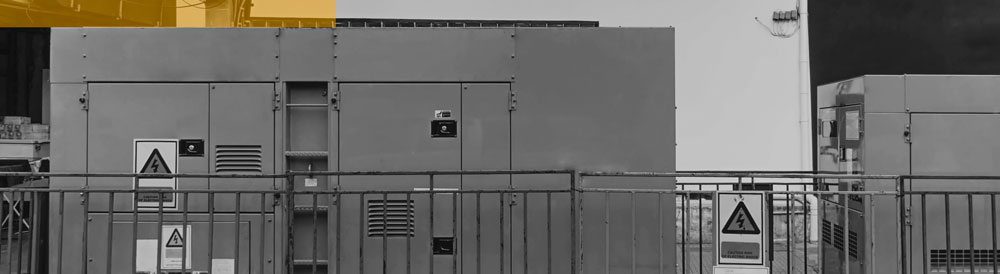
Physical security is integral to protecting your investment. Unsecured equipment is vulnerable to theft, vandalism, and tampering, which can cause power interruptions at the worst possible moments. Ensure your generator is positioned in a secure, monitored area, preferably enclosed with fencing or protective barriers to restrict access to trained personnel only.
6. Noise Control and Proximity to Other Systems
Your generator must be close enough to the main electrical panel to minimize wiring complexity, but distant enough to prevent noise and heat from disrupting daily operations.
- Noise mitigation: Diesel generators produce significant noise. Position them away from office spaces, residential buildings, or sensitive zones (like healthcare facilities).
- Equipment spacing: Keep the unit properly distanced from other machinery to prevent heat interference and allow for proper cooling.
7. Fuel Storage and Refueling Logistics
Generator site planning must include safe fuel storage. Diesel units require substantial reserves in tanks or drums, necessitating a location that minimizes spillage risks and meets fire safety standards. Petrol units use smaller containers but still demand strict adherence to safe handling, containment, and easy refueling access.
8. Regulatory Compliance
Local building codes and safety standards dictate strict rules regarding emissions, noise levels, setback distances, and fuel storage. Ensuring compliance avoids fines and operational shutdowns. Engaging with professional power solutions providers ensures your commercial generator installation aligns perfectly with local laws and technical best practices.
9. Indoor vs. Outdoor Installation
Deciding between an indoor or outdoor setup dictates many of your site requirements.
| Feature | Indoor Installation | Outdoor Installation |
| Primary Use | Hospitals, Data Centers, Commercial | Industrial Sites, Events, Construction |
| Ventilation | Requires complex exhaust & intake ducting | Natural airflow, easier exhaust dispersal |
| Security | High (locked inside the facility) | Requires dedicated fencing or barriers |
| Weather Protection | Excellent (climate-controlled environment) | Requires weather-rated enclosures/canopies |
| Noise Control | Requires heavy acoustic room insulation | Relies on distance and sound-attenuated housing |
Rent or Buy: Tailored Solutions for Every Project
Whether you need a permanent installation or a temporary power setup, planning the location goes hand-in-hand with sourcing the right equipment.
- Rental: Ideal for temporary sites, outdoor events, or seasonal demands where flexible outdoor placement is required.
- Purchase: The best long-term investment for facilities requiring a permanent, highly secure, and integrated backup power solution.
Closing Comments
Choosing the perfect generator placement involves balancing environmental, logistical, safety, and regulatory factors. A meticulously planned site guarantees operational efficiency and extends the lifespan of your equipment.
Take the guesswork out of your next power project. Explore our full range of power solutions and contact our technical team for a site assessment and a PROFESSIONAL QUOTE.
Frequently Asked Questions
How far should a generator be from a building?
While local building codes vary, a general rule is that exhaust-producing generators must be placed at least 1.5 to 3 meters (5 to 10 feet) away from building openings like windows, doors, and air intakes. This ensures harmful exhaust fumes, such as carbon monoxide, do not enter the premises. Always consult local regulations and the manufacturer’s guidelines for exact clearance requirements.
Can I install a generator indoors?
Yes, but it requires highly specialized planning. Indoor installations are common for large commercial buildings and data centers but demand dedicated plant rooms. You must install complex exhaust ducting to vent gases safely outside, ensure adequate fresh air intake for engine combustion and cooling, and implement strict fire safety and soundproofing measures.
Does a generator need a concrete pad?
For permanent, heavy-duty commercial or industrial diesel generators, a poured concrete pad is essential. It provides the necessary stability to handle the machine’s weight and heavy vibrations, preventing structural stress and misalignment. Smaller, portable petrol generators do not strictly require a concrete pad, but they must always be operated on a flat, firm, and dry surface.
How do I protect my outdoor generator from the weather?
Outdoor generators should be housed in weather-rated enclosures provided by the manufacturer. For additional protection against extreme sun, heavy rain, or snow, installing a breathable canopy or roof structure over the unit is highly recommended. Ensure that any added protection does not obstruct the unit’s airflow or exhaust systems.

How to Choose the Best Generator Location
Selecting the right generator location is a critical decision for any facility requiring reliable ba
Best Generators for Construction Sites in Cyprus
Generators for Construction in Cyprus Generators for construction are a critical part of almost ever